Nestor
Nestor, the aged king of Pylos, is one of the most venerable and authoritative figures in the Odyssey, a living repository of the Trojan War's history and a crucial mentor to Telemachus. As the son of Neleus and the only Achaean leader to have returned home without disaster, Nestor embodies the ideals of wise, hospitable, and divinely favored kingship. His encounter with Telemachus in Book III marks a pivotal stage in the young prince's coming-of-age journey, providing him with both essential information about his father's fate and a model of how a noble household should be governed.
Identity and Background
Nestor is the king of Pylos, a city on the western coast of the Peloponnese. He is the son of Neleus and the father of several sons, including the valiant Antilochus, who fell at Troy, and Pisistratus, who becomes Telemachus's companion. Nestor is described as a man of infinite experience, having reigned for three generations, and his counsel is consistently portrayed as the wisest among the Achaeans. He is a knight of Gerene, a title that underscores his noble lineage and his role as a respected elder. His household is characterized by order, piety, and generous hospitality, standing in stark contrast to the chaos of Odysseus's house in Ithaca.
Role in Telemachus's Journey
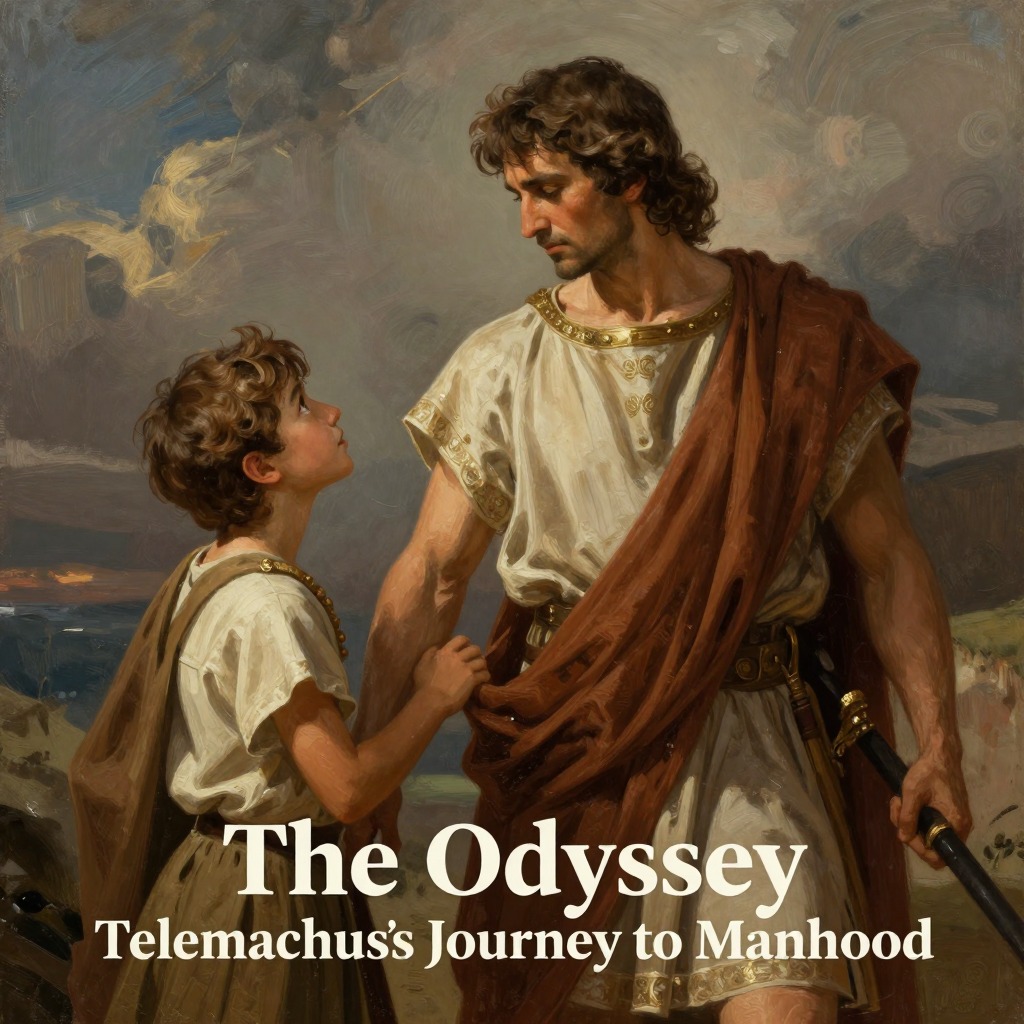
When Telemachus, guided by Athena disguised as Mentor, arrives at Pylos, he finds Nestor and his people on the shore sacrificing black bulls to Poseidon. Nestor immediately extends the ritual of xenia, offering the strangers food and drink before even asking their names. After the feast, Telemachus boldly asks for news of his father, Odysseus. Nestor responds with a long, detailed account of the returns from Troy, including the quarrel between Agamemnon and Menelaus, the fate of Ajax, and the murder of Agamemnon by Aegisthus. He cannot, however, provide direct news of Odysseus, only the report that Calypso is detaining him on an island. Crucially, Nestor uses the story of Orestes's vengeance on Aegisthus as a paradigm for Telemachus, urging him to emulate that hero's courage and assertiveness. He then provides Telemachus with a chariot, horses, and his own son Pisistratus as an escort to Sparta to consult Menelaus, who returned later and might have more information.
Relationships and Conflict
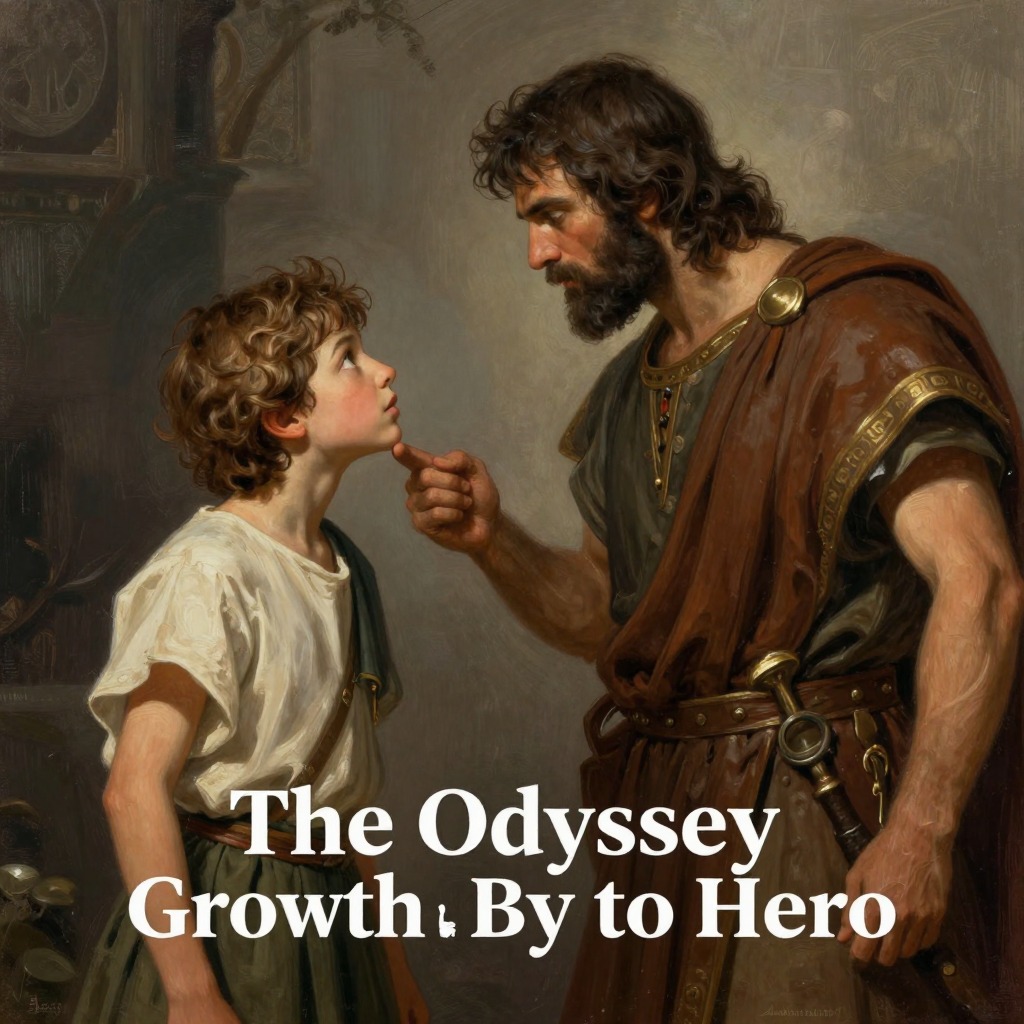
Nestor's relationship with Telemachus is that of a wise elder to a seeking youth. He treats Telemachus with the respect due to the son of his old comrade, Odysseus, with whom he claims to have never had a single difference in counsel or camp. Nestor's own family is presented as harmonious and dutiful; his sons, including Pisistratus, Thrasymedes, and others, obey his commands and participate in the sacrifices and hospitality. The only conflict Nestor mentions is the great suffering of the Achaeans at Troy and the disastrous homecomings that followed, a tragedy he himself narrowly avoided through his own prudence and the favor of the gods.
Change and Ending
Nestor himself undergoes no significant change within the poem; he remains a static, idealized figure of wise old age. His function is to impart knowledge and set Telemachus on the right path. After Telemachus departs for Sparta, Nestor fades from the narrative, his role complete. He has successfully passed on the torch of heroic tradition and practical advice to the next generation, ensuring that the story of the Trojan War and its lessons are not lost.
Thematic Significance
Nestor embodies several of the Odyssey's central themes. He is the ultimate practitioner of xenia, the sacred law of hospitality, which he extends without hesitation to strangers. His long, detailed narratives about the returns of the heroes (the Nostoi) serve as a crucial narrative device, filling in the backstory of the war's aftermath and providing a moral framework for the suitors' eventual punishment. His story of Orestes's revenge directly parallels and inspires Telemachus's own impending confrontation with the suitors. Furthermore, Nestor represents the ideal of a stable, divinely favored kingship, where the king is a father to his people and the gods are honored through sacrifice and righteous rule. In this, he serves as a foil to the corrupt and chaotic rule of the suitors in Ithaca and as a model for what Odysseus's house should be.